
Robocalls remain a significant issue in Phoenix, with laws like the TCPA protecting consumers. Phoenix residents can combat robocalls through a multi-layered approach: technological solutions (call blocking apps), legal expertise from a lawyer for robocall laws Phoenix to understand and enforce rights, and consumer awareness of protections. By combining these strategies, individuals can reclaim control over their phone lines and reduce unwanted automated calls effectively. Legal intervention is crucial for severe cases, offering collective actions and court orders to block future calls.
In the digital age, Phoenix mobile users face a persistent issue: robocalls. These unsolicited calls, often carrying marketing messages or fraudulent intent, can disrupt daily life and pose significant risks. With the rise of sophisticated technologies, preventing such calls has become more complex than ever. As a trusted authority in communication law, we offer valuable insights into effective robocall prevention strategies tailored for Phoenix residents. By employing these tips, users can reclaim their phone lines from unwanted intruders, ensuring peace of mind and safeguarding against potential fraud. Consult with an experienced lawyer for robocall laws in Phoenix to fortify your rights and protect your communications.
Understanding Robocalls in Phoenix: A Legal Perspective
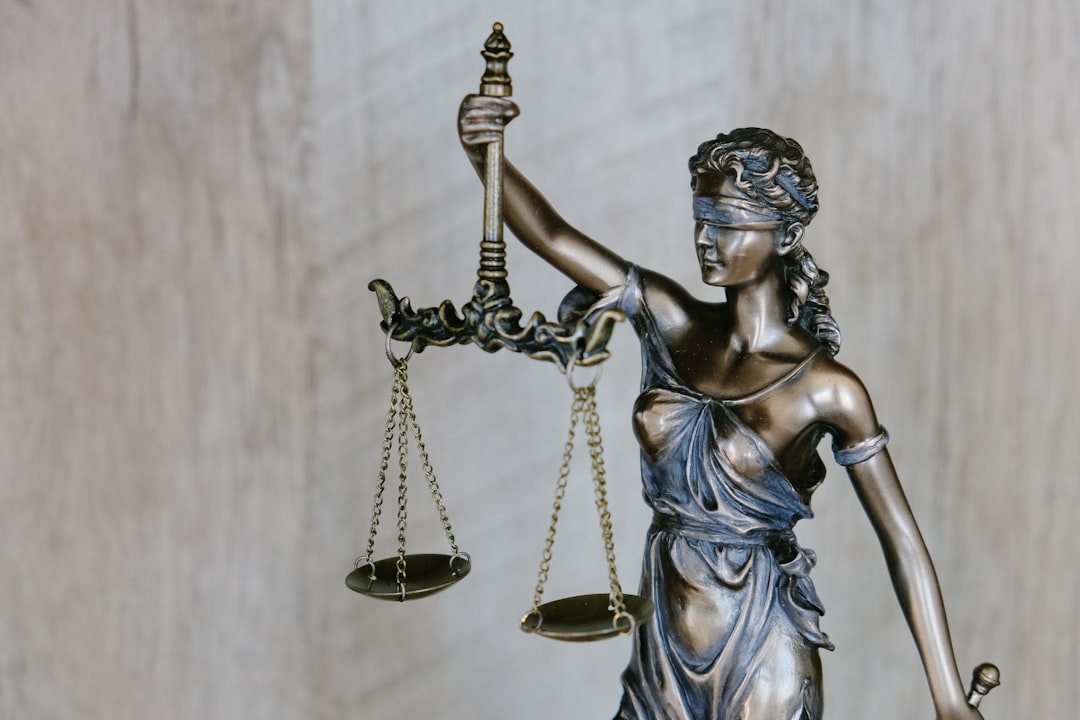
In Phoenix, as across the United States, robocalls remain a persistent nuisance for mobile users, often disguised as legitimate communications from businesses or government agencies. These automated calls, typically using pre-recorded messages, are legally regulated to protect consumers from intrusive and deceptive practices. Understanding the legal perspective on robocalls is crucial for residents aiming to mitigate their impact. The Telephone Consumer Protection Act (TCPA) of 1992 provides a robust framework governing the use of automated dialing systems and prerecorded messages, with strict penalties for violators.
A lawyer specializing in robocall laws in Phoenix can offer invaluable insights into navigating these regulations. They advise that businesses must obtain explicit consent from recipients before initiating automated calls for marketing purposes. This includes situations where a consumer has previously engaged with a company or provided contact information for promotional offers. For example, a recent case study highlighted a national retailer fined for making robocalls to customers who had opted out of such communications. This underscores the importance of adhering to TCPA guidelines to avoid substantial legal repercussions.
Practical advice for Phoenix residents includes reviewing call blocking apps and signing up for Do Not Call registries specific to the state. While these measures help filter unwanted calls, consulting a lawyer can provide tailored strategies for individuals facing persistent or illegal robocalls. Legal experts can guide victims through filing complaints with regulatory bodies and pursuing legal action if necessary, ensuring that their rights under TCPA are enforced. By staying informed and seeking professional counsel when needed, Phoenix mobile users can better protect themselves from the nuisance of robocalls.
Identifying and Blocking Unwanted Calls on Your Device

In Phoenix, as in many urban centers across the nation, robocalls have become a pervasive nuisance. While many prevention tools exist, understanding how to identify and block these unwanted calls on your device is crucial for maintaining privacy and peace of mind. Expert recommendations suggest that a multi-layered approach combining technological solutions with proactive user behavior offers the best defense.
One effective method involves utilizing built-in call blocking features available on most modern smartphones. These tools learn from your blocked numbers history and can automatically filter out recognized robocalls. For instance, devices running iOS or Android have dedicated settings for blocking calls. Additionally, downloading reputable third-party call blocking apps enhances these capabilities, with some advanced applications using machine learning to adaptively improve their effectiveness.
However, it's not enough to solely rely on technological solutions. Engaging the services of a specialized lawyer for robocall in Phoenix can provide an extra layer of protection. Legal experts can assist in navigating complex regulations surrounding robocalls and ensure that blocking measures comply with state laws, such as those enforced by the Arizona Attorney General's Office. They can also offer guidance on pursuing legal action against persistent or malicious robocallers, empowering individuals to take a more proactive stance against this growing problem.
The Role of Consumer Protection Laws in Arizona
In Phoenix, as across Arizona, consumer protection laws play a pivotal role in mitigating the deluge of robocalls plaguing mobile users. The Telephone Consumer Protection Act (TCPA) is a federal law designed to curb unsolicited telephone marketing calls, including robocalls. It mandates that companies obtain explicit consent from consumers before placing automated calls for marketing purposes. Arizona's laws further fortify these protections with strict penalties for violators. For instance, a 2018 case settled for $7.5 million demonstrated the state's commitment to enforcing TCPA violations.
Local legal experts emphasize the significance of understanding one's rights under these laws. Consumers in Phoenix have the right to refuse automated calls and text messages from telemarketers by simply stating their preference verbally or in writing. Furthermore, Arizona law allows for collective action against robocallers, enabling consumers to band together to sue for damages if their privacy has been invaded. Engaging a lawyer for robocall laws Phoenix can provide crucial guidance on navigating these protections and pursuing legal redress when necessary.
Practical steps include registering with the National Do Not Call Registry, a federal database that restricts telemarketers from calling registered numbers. Arizona also offers specialized do-not-call lists maintained by the Attorney General's Office, offering additional layers of protection against unwanted calls. Regularly reviewing call history and blocking unknown numbers can further mitigate robocall exposure. By combining these legal and technical measures, Phoenix residents can reclaim control over their mobile communication experiences.
Strategies for Effective Robocall Management and Prevention
Robocalls have become a significant nuisance for Phoenix mobile users, with many receiving unwanted calls from telemarketers and scammers daily. Effective robocall management requires a multi-faceted approach, combining technological solutions, consumer awareness, and legal oversight. One effective strategy is to utilize call blocking apps that use machine learning algorithms to identify and block known robocalls. These apps learn from community-shared data, improving their accuracy over time. For instance, TruthinCoding, a popular app, claims a 90% success rate in blocking spam calls.
Another crucial step involves educating consumers about the legal protections available to them. The Telephone Consumer Protection Act (TCPA) in Phoenix provides substantial remedies for violators, making it a powerful tool against robocallers. A lawyer specializing in robocall laws can offer guidance on blocking and suing unscrupulous callers. For example, a class-action lawsuit against a telco company for violating TCPA regulations resulted in a $5 million settlement, underscoring the importance of legal action. Consumers should also report unwanted calls to their carriers and the Federal Communications Commission (FCC) to help identify recurring offenders.
Additionally, implementing robust do-not-call lists at both individual and community levels can significantly reduce robocalls. The National Do-Not-Call Registry is a federal list that prevents telemarketers from calling numbers on it. However, for more tailored protection, Phoenix residents can contact their local attorney specializing in robocall laws to explore options like obtaining a Temporary Restraining Order (TRO) against specific callers or setting up custom call blocking rules through their network providers. By combining these strategies, Phoenix mobile users can reclaim control over their phone lines and enjoy a quieter, safer communication environment.
Hiring a Lawyer for Robocall Issues in Phoenix: When Needed

In Phoenix, as in many urban centers across the nation, robocalls have become a persistent nuisance, with some estimates suggesting up to 15% of all incoming calls being automated. When dealing with relentless or deceptive robocalls, individuals may consider consulting a lawyer for robocall laws Phoenix. While do-not-call registries and consumer protection agencies play vital roles in mitigating this issue, legal intervention is often necessary for more severe cases.
Hiring a specialized lawyer for robocall laws Phoenix can be beneficial when consumers face repeated violations, such as calls from unknown numbers or companies that ignore federal guidelines. Legal experts in this field can help navigate the complexities of consumer protection legislation and ensure that individuals' rights are upheld. For instance, the Telemarketing and Consumer Fraud and Abuse Prevention Act (TCFA) prohibits certain telemarketing practices, including misleading or deceptive calls, and provides consumers with legal recourse against offenders. A lawyer well-versed in these laws can assist clients in filing complaints, seeking damages, or even negotiating settlements to stop the robocalls altogether.
Moreover, a lawyer for robocall laws Phoenix can offer strategic guidance on blocking future calls by helping to establish legal precedents and taking proactive measures through court orders. In some cases, they might also represent collective actions against major telemarketing companies, ensuring that not only individual victims but communities at large are protected from these unwanted intrusions. By combining legal expertise with an understanding of consumer rights, these attorneys can significantly enhance the effectiveness of robocall prevention strategies.