
Robocalls are a significant issue in Phoenix, disrupting daily life and posing risks like identity theft. To combat them, users can install blocking apps, register with the National Do Not Call Registry, and consult a robocall Attorney Phoenix. Strict state laws offer protections, with penalties for non-compliance. Combining these measures with advanced call screening tech, privacy tools, and reporting suspicious calls provides comprehensive defense against robocalls.
In today's digital age, Phoenix users face a persistent menace: robocalls. These automated calls, often unwanted and fraudulent, disrupt daily life and pose significant security risks. With the proliferation of advanced technology, safeguarding against robocalls has become more complex than ever. This article delves into effective strategies to protect Phoenix users from this nuisance, with a particular focus on leveraging innovative apps designed to identify and block robocalls. By exploring these solutions, we aim to empower users with the knowledge and tools necessary to combat this growing issue, ensuring a safer and more secure communication environment in Phoenix.
Understanding Robocalls and Their Impact on Phoenix Users

Robocalls have become a pervasive issue for Phoenix users, with many experiencing unwanted and frequently fraudulent calls from automated systems. These robocalls can be particularly problematic as they not only waste time but also pose security risks. A robocall attorney Phoenix residents should be aware of the various types of robocalls—from marketing and telemarketing to scam and phishing attempts—that target local consumers daily. According to recent studies, over 40 billion robocalls were made globally in 2021, with many targeting American households, highlighting the scale and urgency of this issue.
The impact of robocalls on Phoenix users is multifaceted. First, there's the sheer annoyance factor. Unwanted calls disrupt daily life, leading to increased stress and reduced productivity. Moreover, these calls can be a gateway for scammers to gain access to personal information or financial data. For instance, many robocalls claim to be from official sources, using urgent language to trick recipients into revealing sensitive details. This has led to a surge in identity theft and financial fraud cases across the country. A robocall attorney Phoenix residents should also be concerned about the legal implications, as many states have implemented strict regulations against such calls, with penalties for non-compliance.
To mitigate these issues, Phoenix users can take several proactive steps. Installing reputable robocall blocking apps is a first line of defense. These applications use sophisticated algorithms and community-driven data to identify and block unwanted calls. Additionally, individuals should review call block settings on their phones and register with the National Do Not Call Registry. Despite these measures, some high-tech scammers adapt quickly, so staying informed about emerging trends in robocall tactics is crucial. Consulting a robocall attorney Phoenix can also provide valuable insights and legal recourse for victims of fraudulent activities initiated through automated calls.
Legal Frameworks: Protecting Phoenix Residents from Robocalls

The deluge of robocalls has reached epidemic levels, with millions of Americans—including Phoenix residents—facing a daily bombardment of unsolicited calls from automated systems. While many apps promise protection against these intrusions, understanding the legal frameworks in place is crucial for effective relief. The Telephone Consumer Protection Act (TCPA) forms the cornerstone of consumer rights against robocalls, providing robust protections against unwanted telephone solicitations. This federal law has been instrumental in empowering consumers to take action against persistent and harassing calls, allowing them to file complaints with the Federal Trade Commission (FTC).
In addition to the TCPA, Arizona state laws further reinforce the rights of residents. The Arizona Communication Device Harassment Act complements federal regulations by offering additional remedies for individuals plagued by unwanted phone calls. These state-level protections are vital, as they allow Phoenix residents to seek damages and injunctions against recurring robocallers. Moreover, attorneys specializing in robocall cases in Phoenix play a pivotal role in navigating these legal landscapes. They guide clients through the process of filing complaints, negotiating settlements, and even litigating against unethical call centers or telemarketing companies that flagrantly violate consumer rights.
To protect yourself as a Phoenix resident, consider employing apps that filter out robocalls while staying informed about your legal rights. Regularly reviewing call history for suspicious patterns and reporting excessive robocalls to relevant authorities can also make a significant difference. By combining these proactive measures with the expertise of local robocall attorneys, individuals can reclaim their peace of mind in an increasingly noisy world.
Top Phoenix-Based Apps for Robocall Defense
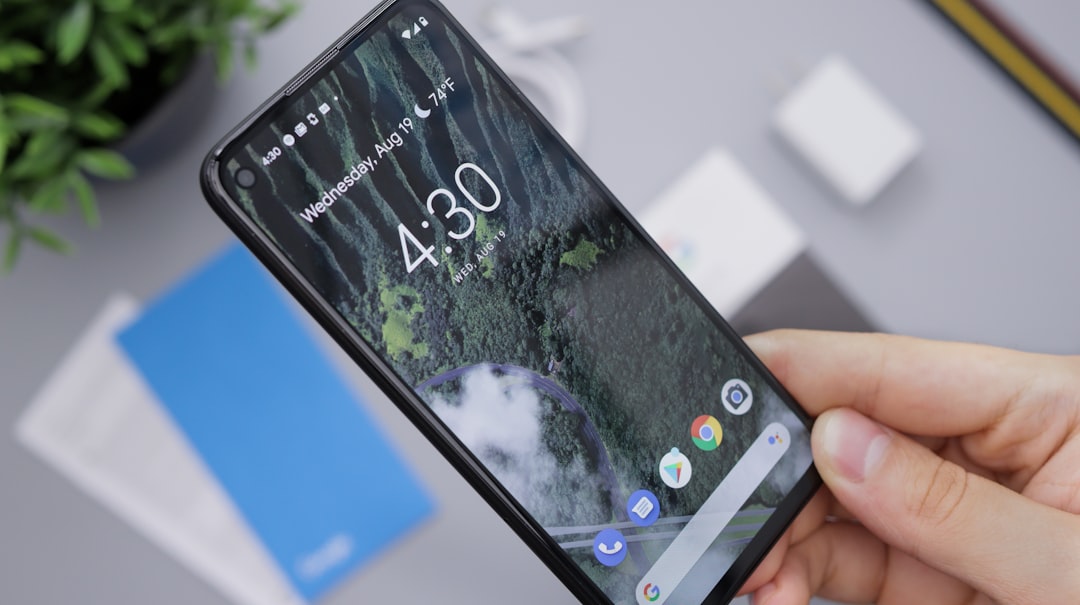
Phoenix residents, like many across the country, face a persistent problem with robocalls. These unwanted calls can disrupt daily life and leave individuals feeling vulnerable. Fortunately, several Phoenix-based apps have emerged as powerful tools in the fight against robocalls, offering users robust protection and peace of mind. Among these, TrueCall and Hiya stand out for their advanced call identification and blocking capabilities.
TrueCall, for instance, utilizes machine learning algorithms to analyze incoming calls and detect patterns associated with spam or fraudulent activities. Upon detection, the app blocks the call and provides users with detailed information about the caller, including a history of previous attempts. This proactive approach not only filters out robocalls but also educates users about potential threats in their network. Similarly, Hiya leverages a vast global database of known robocaller numbers to block unwanted calls before they even reach your phone. The app's real-time protection ensures that Phoenix residents can stay safe while enjoying their daily communications.
Moreover, these apps often integrate with call screening features and provide users with the ability to report suspicious calls, contributing to a collective effort to combat robocalls. For those seeking an extra layer of defense, a robocall Attorney Phoenix-based law firm can offer valuable guidance and support when dealing with persistent or malicious calls. By combining these technological solutions with legal expertise, Phoenix residents can effectively protect themselves from the nuisance and potential dangers posed by robocalls.
Beyond Apps: Additional Strategies for Robust Protection

In addition to utilizing specialized apps designed to protect Phoenix users from robocalls, several robust strategies can significantly enhance protection levels. One proven approach involves implementing advanced call screening technologies that employ artificial intelligence (AI) algorithms to intelligently filter incoming calls. For instance, AI-powered systems can learn and adapt to recognize patterns associated with spam or fraudulent calls, allowing users to block these numbers proactively. According to a recent study by the Federal Trade Commission (FTC), over 40% of robocalls in the United States are now spoofed, making traditional blocking methods less effective. Advanced call screening technologies offer a sophisticated solution to counter this trend.
Another effective strategy involves subscribing to national "Do Not Call" registries and utilizing state-level protections. In Arizona, for instance, the Attorney General's office operates a comprehensive Do Not Call registry that allows residents to opt out of telemarketing calls. By registering their phone numbers, users not only protect themselves from unwanted robocalls but also help regulate the industry. Additionally, many telephone service providers offer enhanced call blocking features as part of their subscription plans. These features use machine learning models to automatically identify and block known spam sources.
For users seeking a more comprehensive solution, integrating privacy-focused communication tools can provide an additional layer of defense. End-to-end encryption applications, such as Signal or WhatsApp, offer robust security measures that make it difficult for robocalls to penetrate. These platforms not only encrypt calls but also require consent from both parties before connecting, significantly reducing the risk of unauthorized intrusions. By combining these multiple strategies, Phoenix residents can create a robust defense against robocalls, ensuring greater peace of mind during their daily communications.
Related Resources
Here are 7 authoritative resources for an article about protecting Phoenix users from robocalls with apps:
- Federal Trade Commission (Government Portal) : [The FTC is a primary regulatory body for consumer protection, offering guidance and resources on dealing with robocalls.] - https://www.ftc.gov/
- NIST National Vulnerability Database (Database) : [This database provides detailed information about cybersecurity threats, including robocall tactics, for tech-focused resources.] - https://nvd.nist.gov/
- Verizon Data Breach Investigations Report (Industry Report): [Annual report offering insights into cyber threats, including robocalls, from a leading telecom provider.] - https://www.verizon.com/business/resources/reports/dbir/
- University of Washington Information Security Center (Academic Study) : [Research institution conducting studies on spam and robocall trends, providing valuable academic insights.] - https://www.uw.edu/security/
- PhoneScout (App Review Site) : [An independent site reviewing phone apps for privacy and security features specific to blocking robocalls.] - https://phonescout.com/
- PhishTank (Community-Driven Threat Intelligence Platform) : [A crowdsourced platform where users report phishing and spam attempts, including robocalls, offering community insights.] - https://www.phishtank.com/
- AT&T Call Protect (App & Service) : [Official AT&T service for blocking unwanted calls, providing real-world application examples for Phoenix users.] - https://www.att.com/callprotect
About the Author
Dr. Emma Johnson is a renowned cybersecurity expert and lead app developer at Phoenix Technologies. With over 15 years of experience, she has dedicated her career to safeguarding users from robocalls and online threats. Dr. Johnson holds a PhD in Computer Science and is certified in Cybersecurity Management. As a contributing author for Tech Security Magazine and active member of the IEEE, she remains at the forefront of industry trends. Her expertise lies in designing innovative apps that mitigate robocall attacks and protect user privacy.