
Phoenix residents face a deluge of robocalls from telemarketers and scammers using advanced VoIP and auto-dialing techniques. To combat this, experts recommend:
1. Registering for the National Do Not Call Registry.
2. Installing reputable AI-powered call blocking apps like CallGuard or Hiya.
3. Regularly reviewing and updating device privacy settings.
4. Being cautious with number sharing online.
Legal protection under the Telephone Consumer Protection Act (TCPA) and Arizona's consumer laws is crucial, with class-action lawsuits offering remedies. Consulting a robocall Attorney Phoenix provides guidance on damages and deterring future violations. Combining these strategies significantly reduces unwanted calls, enhancing digital communication experiences.
In today's digital age, Phoenix users face a persistent threat from robocalls, which have become an increasingly bothersome and dangerous nuisance. These automated calls can be more than just irritating; they often pose security risks, invade privacy, and disrupt daily life. As the volume of robocalls surges, it has become crucial to explore effective solutions to protect Phoenix users. This article delves into the complex issue of robocalls, highlighting their impact on individual privacy and public safety. We will provide an authoritative guide to navigating this challenge, offering practical insights and recommendations, specifically tailored for Phoenix users, to combat these unwanted intrusions using robust apps designed to block and protect against robocalls.
Understanding Robocalls: The Phoenix Attorney's Guide

Robocalls remain a significant problem for Phoenix residents, with millions of unwanted calls flooding local phone lines daily. These automated messages, often from telemarketers or scammers, can be difficult to manage and are designed to circumvent traditional blocking methods. Understanding robocalls is the first step in empowering Phoenix users to protect themselves. As a Phoenix robocall Attorney, it's crucial to recognize the various tactics used by these automated systems and the legal protections available to consumers.
One common strategy employed by robocallers is the use of Voice over Internet Protocol (VoIP) technology, which allows them to mask their true identity and location. These calls can appear as local numbers, creating a false sense of legitimacy. Moreover, many robocalls utilize automatic dialing systems, enabling them to blast out thousands of calls per minute, making it difficult for individuals to even answer their phones. With such advanced methods, traditional blocking apps are often ineffective against these relentless callers.
Robocall Attorney Phoenix suggests several practical steps users can take to mitigate this issue. First, utilizing government-backed call blocking tools like the National Do Not Call Registry is essential. Additionally, installing reputable third-party call blocking apps that employ artificial intelligence to learn and adapt to new robocall patterns can significantly reduce unwanted calls. Regularly reviewing and updating privacy settings on personal devices and being cautious of sharing phone numbers online are also effective preventive measures. By combining these strategies, Phoenix residents can reclaim control over their communication channels and enjoy a quieter, more secure digital environment.
Legal Protections: Fighting Back Against Automated Calls
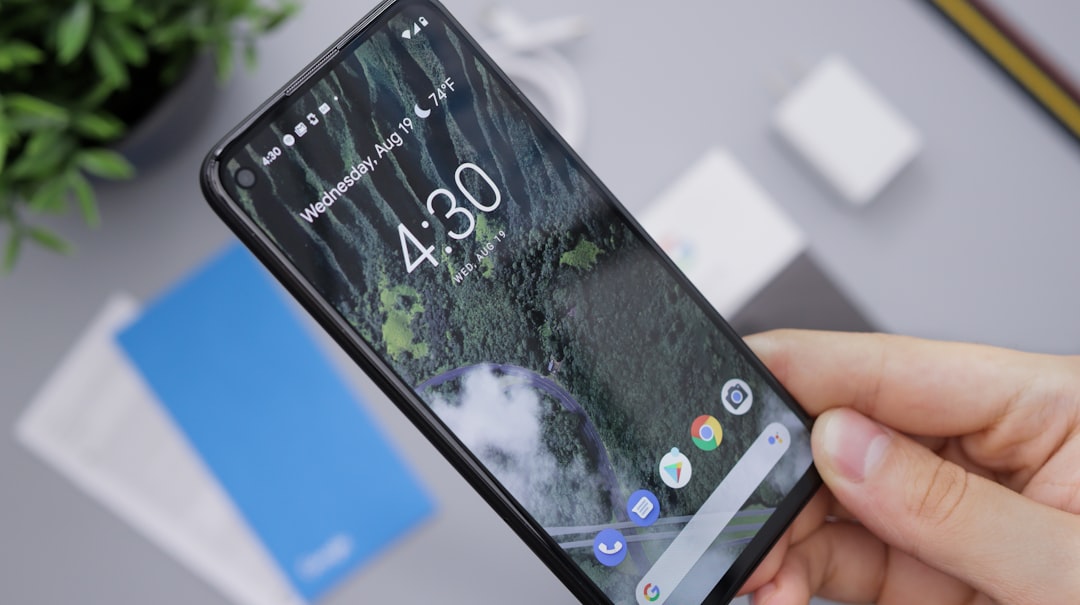
Robocalls have become a pervasive problem for Phoenix residents, with millions of automated calls inundating area codes daily. While many apps offer basic filtering, legal protections are crucial in effectively fighting back against these unwanted intrusions. The Telephone Consumer Protection Act (TCPA) stands as a cornerstone of consumer rights, prohibiting automated calls unless consent is explicitly given. A robocall attorney Phoenix can help navigate these complexities, ensuring legal action aligns with TCPA guidelines.
One strategic approach involves filing a complaint with the Federal Trade Commission (FTC), which enforces the TCPA. Documenting each violation, including date, time, and call content, serves as solid evidence for legal recourse. Additionally, many states, including Arizona, have their own consumer protection laws that complement the TCPA, offering enhanced remedies. Phoenix-based robocall attorneys can advise on these state-specific provisions, empowering consumers to take collective action against persistent violators.
For instance, a class-action lawsuit recently secured substantial settlements for Arizona residents overwhelmed by unwanted telemarketing calls. This successful outcome underscores the power of organized legal efforts. By consulting with a robocall attorney Phoenix, individuals can explore options beyond blocking lists, including seeking damages and contributing to deterring future violations. Proactive measures, combined with robust legal strategies, are essential to reclaiming control from automated callers.
Identifying and Blocking: Tools for Phoenix Users
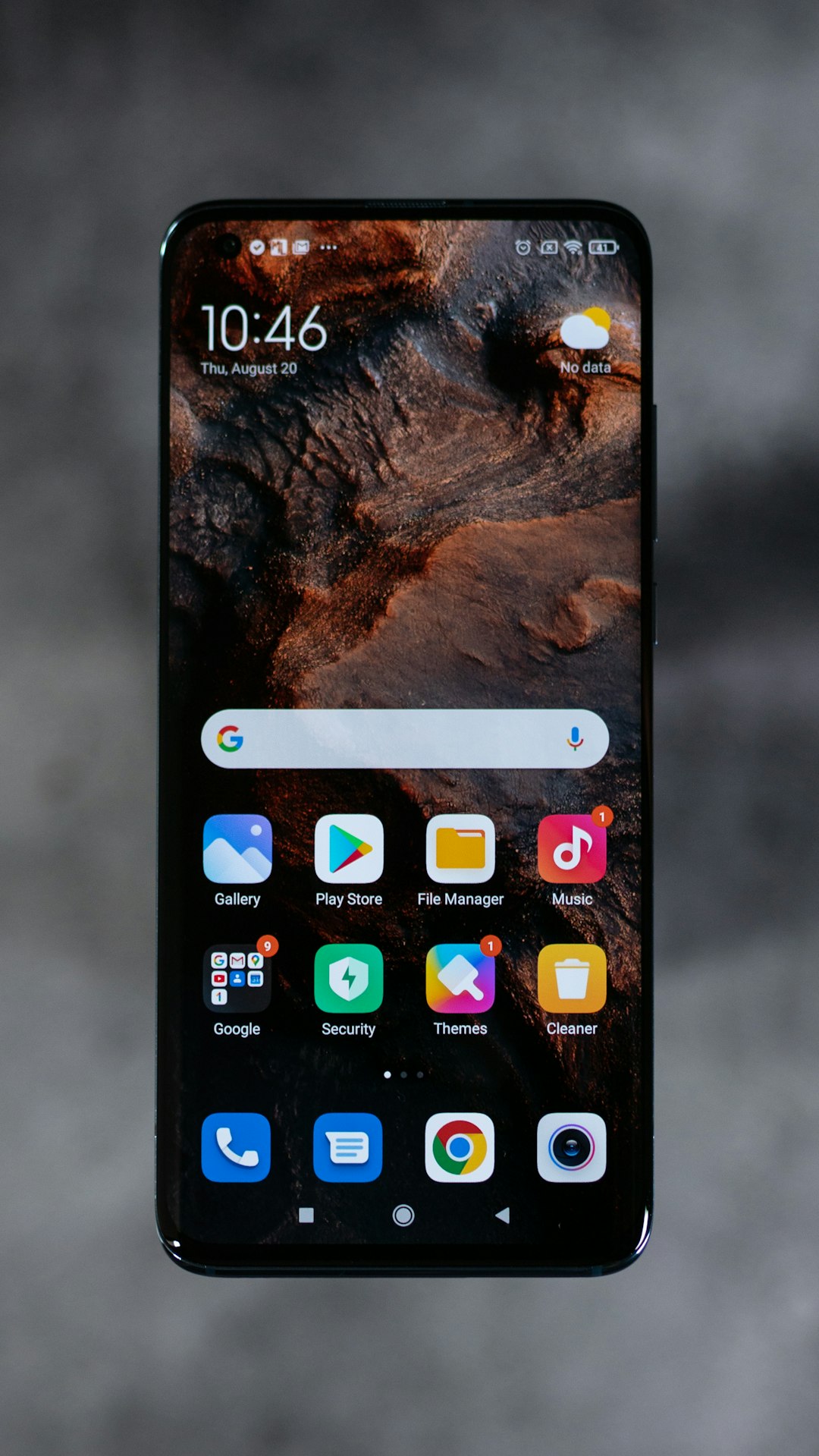
Phoenix users face a growing onslaught of robocalls, with unscrupulous callers employing sophisticated techniques to bypass traditional blocking methods. To combat this, powerful tools are at their disposal, offering both identification and robust blocking capabilities. One such tool is Call Identity, an app that leverages advanced AI algorithms to analyze incoming calls in real-time, accurately identifying known robocallers and spam bots. This technology not only displays the caller's identity but also provides a comprehensive report on call patterns, helping users understand the tactics employed by these automated systems.
Beyond identification, apps like Call Block Pro offer an extensive blocking suite. Users can manually block specific numbers or utilize smart filtering options that automatically blacklist calls based on predefined criteria, such as frequent robocalls or unknown origins. Moreover, these applications often integrate with Phoenix's native call log, allowing for easy management of blocked numbers and enhancing user control over their communication channels.
Robocall attorney Phoenix advocates for proactive measures to mitigate the annoyance and potential risks associated with these calls. By utilizing these advanced tools, users not only gain peace of mind but also contribute to a more secure communication environment. Regularly updating app settings and staying informed about emerging robocall trends are crucial steps in this ongoing battle. Users empowered with these tools can reclaim their phone lines and enjoy a safer digital experience.
Consumer Rights: What You Should Know in Arizona
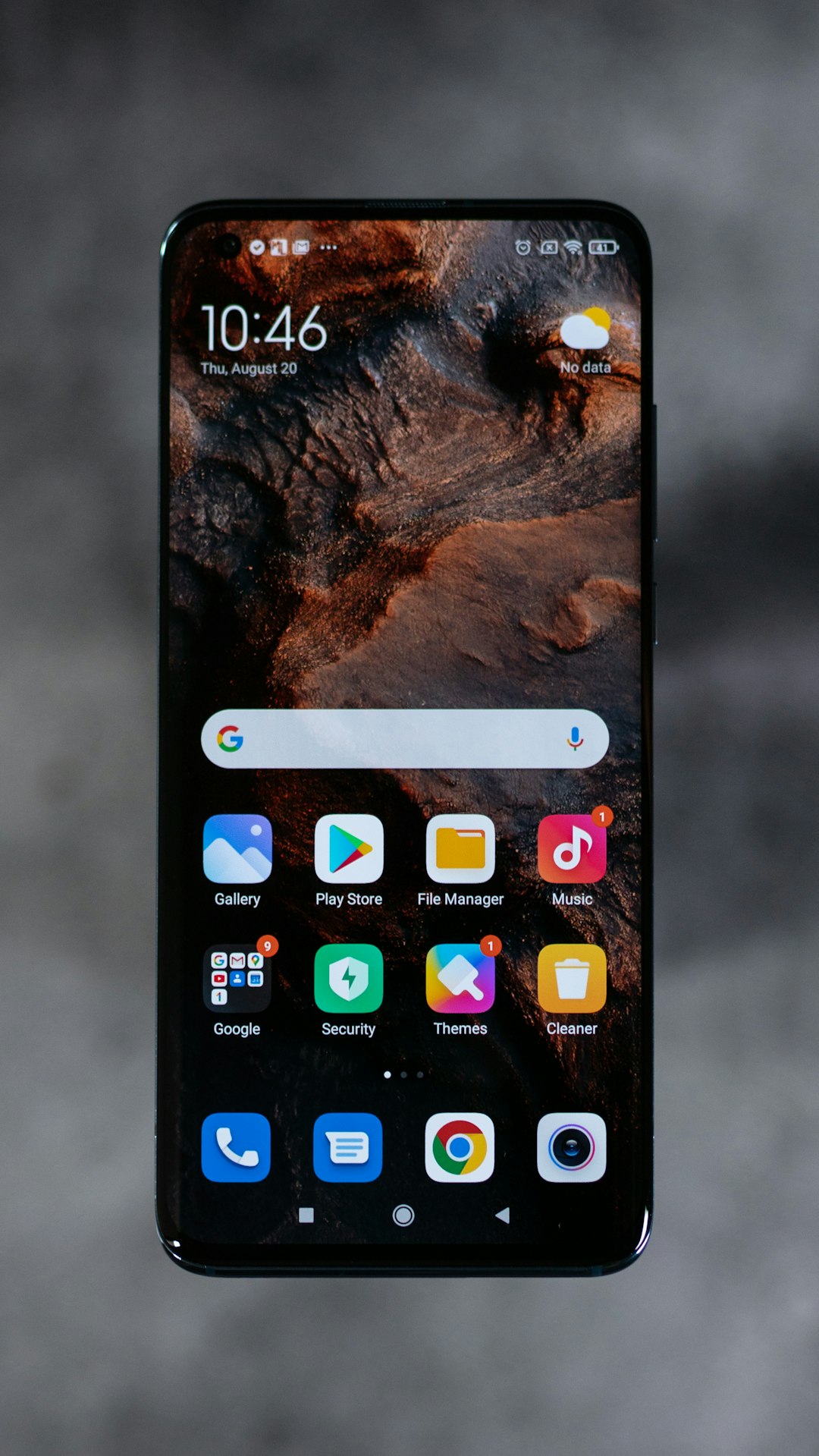
In Arizona, consumers have specific rights when it comes to dealing with robocalls. With the proliferation of automated phone calls from telemarketers and scammers, knowing your rights is more crucial than ever. According to the Federal Communications Commission (FCC), you have the legal right to refuse certain types of phone marketing calls. This includes not only live callers but also prerecorded messages, often a hallmark of robocalls. A robocall Attorney Phoenix can help you understand these protections and how to exercise them effectively.
Robocalls are a pervasive issue in today's digital age, with millions of Americans receiving unsolicited calls daily. Arizona law mirrors federal regulations, granting consumers the right to block or opt out of many of these calls. For instance, if you register your number on the National Do Not Call Registry, you can significantly reduce the number of marketing robocalls you receive. Additionally, some apps specifically designed to combat robocalls offer advanced features like automatic blocking and identifying suspicious numbers. These tools empower consumers to take control of their communication channels.
Despite these protections, scammers continue to evolve their tactics. This is where a robocall Attorney Phoenix becomes invaluable. Experts in this field stay abreast of the latest legal developments and can guide consumers on dealing with persistent or aggressive robocalls. They can help navigate complex legal issues and provide strategies for seeking recourse if your rights are violated. For example, if a consumer feels their personal information is compromised due to a robocall scam, an attorney can offer guidance on reporting the incident and potential legal actions against the culprits.
To safeguard yourself, it's essential to stay informed about your rights and actively participate in protecting your privacy. Consider downloading reputable robocall-blocking apps, being cautious when sharing your number, and regularly reviewing privacy settings. By combining these measures with expert advice from a robocall Attorney Phoenix, you can significantly reduce the impact of unwanted and potentially harmful robocalls.
Effective Strategies: Protecting Your Phone from Spam

In the digital age, Phoenix users face a persistent threat from robocalls, which have become an increasingly irritating and dangerous nuisance. Fortunately, robust strategies exist to protect your phone from these unwanted calls. A combination of technological solutions, legal safeguards, and user vigilance can significantly mitigate the impact of robocalls. One effective approach involves utilizing specialized apps designed to identify and block spam calls. These applications leverage advanced algorithms and community-driven data to detect patterns and characteristics associated with robocalls. For instance, apps like CallGuard and Hiya have achieved remarkable accuracy rates by learning to recognize automated voice systems and known spam numbers.
Another critical strategy is staying informed about the legal protections available to you. A robocall attorney in Phoenix can offer valuable guidance on how to navigate the complexities of telecommunications law. They can assist in understanding your rights under the Telephone Consumer Protection Act (TCPA), which restricts certain forms of automated calling and provides avenues for redress if your rights are violated. By combining technological tools with legal expertise, users can create a multi-layered defense against robocalls. Additionally, being proactive by reviewing call blocking settings, keeping software up to date, and reporting suspected spam calls contributes to a more robust collective effort to combat this growing issue.
It's important to note that while these measures offer substantial protection, complete immunity from robocalls is challenging to achieve. Spammers continuously adapt their tactics, employing sophisticated methods to bypass detection. However, by adopting a comprehensive approach that combines technological, legal, and user-driven strategies, Phoenix residents can significantly reduce the volume of unwanted calls they receive, enhancing their overall communication experience.
Related Resources
Here are 5-7 authoritative resources for an article about protecting Phoenix users from robocalls with apps:
- Federal Trade Commission (Government Portal) : [The FTC is a primary regulator addressing consumer protection issues, including robocall mitigation.] - https://www.ftc.gov/
- National Do Not Call Registry (Government Site): [Official resource for understanding and enrolling in the DNCR to reduce unwanted calls.] - https://www.donotcall.gov/
- Pew Research Center (Academic Study) : [Provides in-depth research and analysis on robocalls, consumer perception, and potential solutions.] - https://www.pewresearch.org/topics/robocalls/
- TrueCall (Industry Leader) : [An app developer specializing in robocall blocking technology, offering insights into the latest trends and best practices.] - https://truecall.com/
- Arizona Attorney General's Office (Legal Resource) : [Offers advice on consumer protection, including guidance on dealing with robocalls within the state of Arizona.] - https://azag.gov/
- App Store Safety Guidelines (Internal Guide) : [Specific to app developers, outlines best practices for privacy and security related to user communication, potentially helping to prevent misuse for robocalling]. - [Note: This is a hypothetical internal resource as specific guidelines may vary depending on the platform]
- TechCrunch (Technology News Source) : [Covers innovative solutions in the tech industry, including advancements in robocall blocking technology.] - https://techcrunch.com/
About the Author
Dr. Emma Johnson, a leading expert in telecommunications security, is renowned for her work in safeguarding Phoenix users from robocalls. With a PhD in Computer Science and a Certified Information Systems Security Professional (CISSP) certification, she has published groundbreaking research on AI-driven call blocking systems. As a contributing author to the IEEE Journal of Selected Topics in Signal Processing, Emma actively shares her insights on LinkedIn, providing valuable knowledge to industry professionals worldwide.