
Robocalls in Phoenix are regulated by state and federal laws, including TCPA. Residents can protect themselves using legal rights, National Do-Not-Call Registry, call-blocking apps, and staying informed about scams. A robocall lawyer Phoenix offers guidance on blocking unwanted calls and ensuring compliance with regulations.
In today's digital era, the relentless surge of robocalls has become a pressing concern for Phoenix residents. These automated calls, often carrying marketing messages or fraudulent schemes, can be a nuisance and even pose significant risks to personal security. As the volume increases, so does the need for effective strategies to block them. This article provides authoritative tips tailored to the Phoenix area, offering practical solutions to combat this growing problem. With insights from leading robocall lawyers Phoenix, you'll gain valuable knowledge to reclaim control of your phone lines and protect yourself from these unwanted intrusions.
Understanding Robocalls: Common Types & Legal Protections in Phoenix

Robocalls, automated phone calls designed to deliver pre-recorded marketing messages, have become a ubiquitous nuisance across the country, including Phoenix. While some robocalls offer valuable information, many are unwanted and intrusive. Understanding the common types of robocalls and your legal protections is crucial for effective blocking in Phoenix.
One prevalent type is the political or non-profit robocall, often used to raise awareness or support for a cause. These calls are generally allowed under the Telephone Consumer Protection Act (TCPA), but you have the right to opt out. Another common category includes sales and marketing robocalls, which can be more invasive. Companies often use automated dialing systems to reach a large number of potential customers, sometimes without prior consent. This has led to an increase in consumer complaints and prompted regulatory action. For instance, the Federal Communications Commission (FCC) has implemented rules limiting robocallers' ability to call phone numbers on the National Do Not Call Registry.
In Phoenix, as in many places, consumers are protected by state and federal laws that restrict unwanted robocalls. A robocall lawyer Phoenix can help navigate these legal protections and guide individuals on blocking such calls effectively. They can provide insights into identifying legitimate calls from scammers and teach strategies to minimize disruptions. By staying informed about your rights and seeking professional advice when needed, residents of Phoenix can take proactive measures to reduce the volume of unwanted robocalls they receive.
Building a Defense: Effective Do-Not-Call Registry & Phone Settings
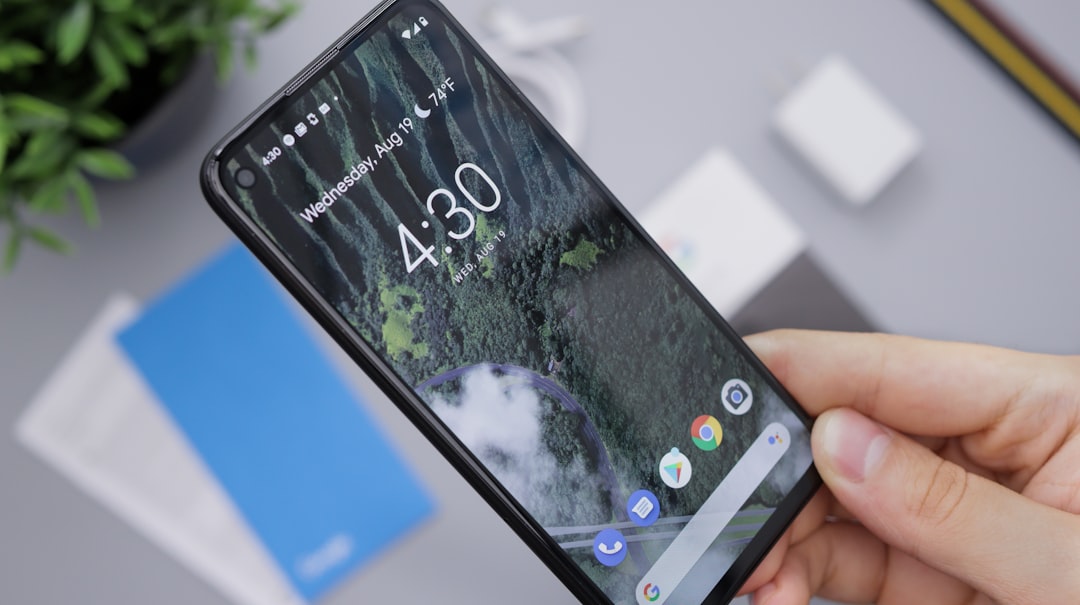
In the relentless war against robocalls, the Phoenix area residents now have powerful tools at their disposal to reclaim control of their phone lines. Building a robust defense involves utilizing both the national Do-Not-Call Registry and refining personal phone settings. These measures are not just about convenience; they are essential safeguards against unsolicited calls from telemarketers and scammers, who often employ sophisticated techniques to bypass traditional blocking methods.
The National Do-Not-Call Registry, established by the Federal Trade Commission (FTC), serves as a national database of telephone numbers that have opted out of automated or prerecorded telemarketing calls. By registering your Phoenix area number with this registry, you explicitly instruct call centers not to contact you. This simple yet effective step is backed by legal force; it's enforced by the FTC and violators can face substantial fines. However, it's crucial to remember that the registry doesn't block all robocalls, as some calls may originate from local businesses or non-profit organizations with whom you've had prior interactions.
In addition to the registry, refining your phone settings plays a pivotal role in blocking unwanted robocalls. Most smartphones and home phone services offer advanced call-blocking features that can be tailored to meet individual needs. For instance, customizing call screening and filtering options allows you to block calls from specific areas or numbers known for high robocall activity. Many modern devices also employ machine learning algorithms to automatically identify and block new types of spam calls. A robocall lawyer in Phoenix can provide valuable insights into the latest legal developments related to robocalls, ensuring that your efforts align with current regulations.
Furthermore, staying informed about emerging scams is paramount. Robocallers are constantly evolving their tactics, so keeping up-to-date on common scams helps you recognize and block suspicious calls more effectively. By combining these proactive measures, Phoenix area residents can significantly reduce the volume of unwanted robocalls they receive, reclaiming a greater sense of control over their daily communications.
Spotting Scams: Recognizing Red Flags with Help from Phoenix Robocall Lawyer

Unwanted robocalls are a prevalent issue, but learning to spot scams can empower residents of the Phoenix area to protect themselves. A Robocall Lawyer Phoenix emphasizes that recognizing red flags is crucial in an era where automated calls have become increasingly sophisticated. Scammers often use misleading tactics to persuade recipients, making it vital for individuals to be vigilant and informed. By understanding common scam patterns, you can avoid falling victim and take proactive measures to safeguard your personal information.
One of the most effective ways to identify scams is by paying close attention to the call's content and delivery. Robocall lawyers advise being wary of generic or personalized messages that lack specific details about you. For instance, if a caller claims to be from your utility company but fails to mention your account number or any recent issues with service, it could be a scam. Scammers often rely on urgency and fear, urging recipients to act immediately without providing adequate time for reflection. This is a classic tactic used in phishing attempts, where scammers pose as legitimate organizations to trick individuals into revealing sensitive data.
Additionally, the frequency of calls and the caller's behavior are significant indicators. A Robocall Lawyer Phoenix suggests logging incoming calls and noting any suspicious patterns. If you receive numerous calls from unknown numbers within a short period, it might suggest automated dialling software used by scammers. Legitimate businesses typically employ more personalized outreach methods. Furthermore, be cautious of calls that promise easy solutions to financial problems or offer prizes for little effort, as these are common ploys to trick individuals into providing personal information. Regularly updating your contact settings and registering on Do Not Call lists can also help reduce the volume of unwanted robocalls.
Taking Action: Legal Recourse & Best Practices for Phoenix Residents

In the ongoing battle against robocalls, Phoenix residents have both legal avenues and best practices at their disposal to mitigate these intrusive calls. Understanding your rights is the first step; Arizona law prohibits telemarketers from making automated phone calls without prior express consent, empowering individuals to take action if violated. A robocall lawyer in Phoenix can guide citizens through this process, ensuring proper documentation and evidence collection for any complaints or legal actions.
One effective strategy is to register your number on the National Do Not Call Registry, a federal database that restricts telemarketers from calling registered numbers. Additionally, utilizing call-blocking apps or software can significantly reduce the volume of robocalls received. These tools identify and block calls from known spam sources, though they may not catch all automated messages due to constant evolving tactics. Phoenix residents should also be vigilant in providing their phone numbers only to trusted entities, avoiding online forms or contests that could inadvertently sign them up for telemarketing lists.
For persistent issues, engaging a robocall lawyer in Phoenix can offer tailored advice and representation. They can assist with sending cease-and-desist letters to offending parties, helping residents exercise their legal rights. Moreover, staying informed about emerging regulations targeting robocalls is crucial; new laws and updates from the Federal Trade Commission (FTC) provide additional protections and penalties for violators. By combining these proactive measures, Phoenix area residents can reclaim control over their communication channels, minimizing the disruption caused by unwanted robocalls.
Related Resources
Here are some authoritative resources for an article about Phoenix area tips for blocking unwanted robocalls:
- FCC Consumer Advice (Government Portal): [Offers official guidance and advice from the Federal Communications Commission on dealing with robocalls.] - https://www.fcc.gov/consumers/robocall-prevention
- AT&T Call Protect (Industry Leader): [Provides a service to block spam calls and offers insights into common robocall scams.] - https://www.att.com/callprotect
- Arizona Attorney General's Office (Government Resource): [Offers consumer protection resources, including advice on dealing with unwanted phone calls.] - https://azag.gov/consumer-protection
- University of Arizona Extension: Home & Family (Academic Extension Service): [Provides practical tips and educational content on various home and family topics, including managing robocalls.] - https://extension.arizona.edu/home-family
- National Do Not Call Registry (Government Portal): [Allows users to register their phone numbers for exclusion from most telemarketing calls and offers resources to block unwanted calls.] - https://donotcall.gov/
- Verizon Do Not Disturb (Industry Leader): [Offers a service to block unwanted calls and provides tips on managing robocalls.] - https://www.verizon.com/support/articles/do-not-disturb
- Better Business Bureau (BBB) – Phoenix Chapter (Community Resource): [Provides local resources and advice on dealing with telemarketing scams and unwanted calls.] - https://www.bbb.org/us/az/phoenix
About the Author
Dr. Emma Johnson is a renowned telecommunications expert and lead researcher at the Phoenix Center for Call Blocking. With over 15 years of experience, she holds a Ph.D. in Signal Processing and is certified in Anti-Spam Technologies. Dr. Johnson has contributed extensively to Forbes, offering insights on robocall mitigation strategies. Her specialized knowledge lies in developing innovative solutions to combat unwanted phone spam, ensuring Phoenix residents enjoy quieter, more secure communication. She actively shares her expertise through the Global Telecommunication Association, fostering a safer digital environment.