
Robocalls are a significant issue in Phoenix, prompting regulatory action at state and federal levels, including the Telephone Consumer Protection Act (TCPA). Arizona's TCPA AZ provides additional protections. Residents facing robocalls should consult a lawyer for robocall laws in Phoenix for guidance through complex regulations, ensuring compliance, and exploring recourse against illegal calls. Robocall blocking apps offer protection, with top-tier apps employing multi-layered security and machine learning algorithms. Privacy is crucial; consulting a lawyer for robocall issues ensures legal integrity and understanding of rights. Persistent robocalls may require legal action under Arizona's TCPA, with attorneys advocating for stricter regulation and class-action lawsuits against scammers.
In today's digital era, Phoenix residents like you face a persistent and frustrating issue: robocalls. These unwanted phone calls from telemarketers and scammers not only disrupt your day but also pose genuine risks to your personal information and financial security. Navigating this problem requires more than just blocking numbers; it demands an informed strategy that protects your privacy. This comprehensive guide delves into the world of robocall blocking apps, offering expert insights tailored to Phoenix's legal landscape. By understanding your rights and leveraging available tools, you can reclaim control over your phone lines and safeguard yourself from malicious calls—a vital step, especially when considering a lawyer for robocall issues in Phoenix.
Understanding Robocalls in Phoenix: Legal Perspective

In Phoenix, as across the nation, robocalls have become an increasingly pervasive nuisance, with millions of unwanted calls flooding residents' phones daily. These automated phone calls, often used for telemarketing or debt collection, are regulated by both state and federal laws designed to protect consumers from invasive and deceptive practices. Understanding these legal frameworks is crucial for Phoenix residents looking to combat the deluge of robocalls.
The Telephone Consumer Protection Act (TCPA) serves as a cornerstone of robocall regulation in the United States. This federal law prohibits automated phone calls to mobile phones without prior express consent. It also restricts prerecorded messages sent to landlines unless certain exceptions apply, such as for emergency purposes or with explicit permission. In Phoenix and across Arizona, the TCPA is enforced by state attorneys general and the Federal Communications Commission (FCC), which have the power to investigate complaints and impose penalties on violators. For instance, a recent FCC enforcement action resulted in a $120 million fine against a company for millions of illegal robocalls made despite consumers' "do not call" registrations.
At the state level, Arizona's Telephone Consumer Protection Act (TCPA AZ) complements federal regulations, providing additional protections for residents. This law addresses specific practices that are often associated with robocalls, such as using automated systems to deliver recorded messages and allowing calls after a consumer has registered their number on a "do not call" list. Engaging the services of a lawyer for robocall laws in Phoenix can be invaluable when navigating these legal landscapes. Legal professionals specialized in this area can guide residents through the complexities of both federal and state regulations, ensuring compliance and offering recourse against persistent or illegal robocalls. They can also assist in blocking lawsuits from unscrupulous callers and help consumers explore options for seeking damages for invasions of privacy.
Evaluating Robocall Blocking Apps: Features & Effectiveness

When it comes to evaluating robocall blocking apps in Phoenix, understanding their features and effectiveness is paramount. These applications, designed to curb unwanted automated calls, operate by identifying and filtering out incoming robocalls using advanced algorithms. However, not all apps are created equal. Key factors to consider include call accuracy, false positive rates, compatibility with your device and carrier, and privacy protections. For instance, some leading apps boast 95%+ accuracy rates, while others struggle to surpass 70%. Additionally, features like customizable blocking lists, whisper detection (a technique to differentiate between human and robotic voices), and real-time feedback mechanisms enhance their utility.
Expert analysis suggests that the best robocall blocking apps offer a multi-layered approach to call protection. They integrate with your phone's operating system, leverage cloud-based intelligence, and continuously update their databases to adapt to evolving robocall techniques. It's also crucial to consider privacy implications, especially when sharing data with third parties. A reputable app should provide transparent data handling practices and robust security measures, ensuring your call history and personal information remain secure.
In the legal context of Phoenix, where telemarketing laws are strictly enforced, a robust robocall blocking app can serve as a valuable tool for consumers. However, it's essential to consult with a lawyer for robocall issues to ensure compliance and understand your rights. By combining advanced technology with legal expertise, residents can better protect themselves from intrusive robocalls while navigating the complex regulatory landscape. Ultimately, choosing the right blocking app is about finding a balance between effective call protection and maintaining privacy and legal integrity.
Installing & Configuring Your Phoenix Phone's Settings
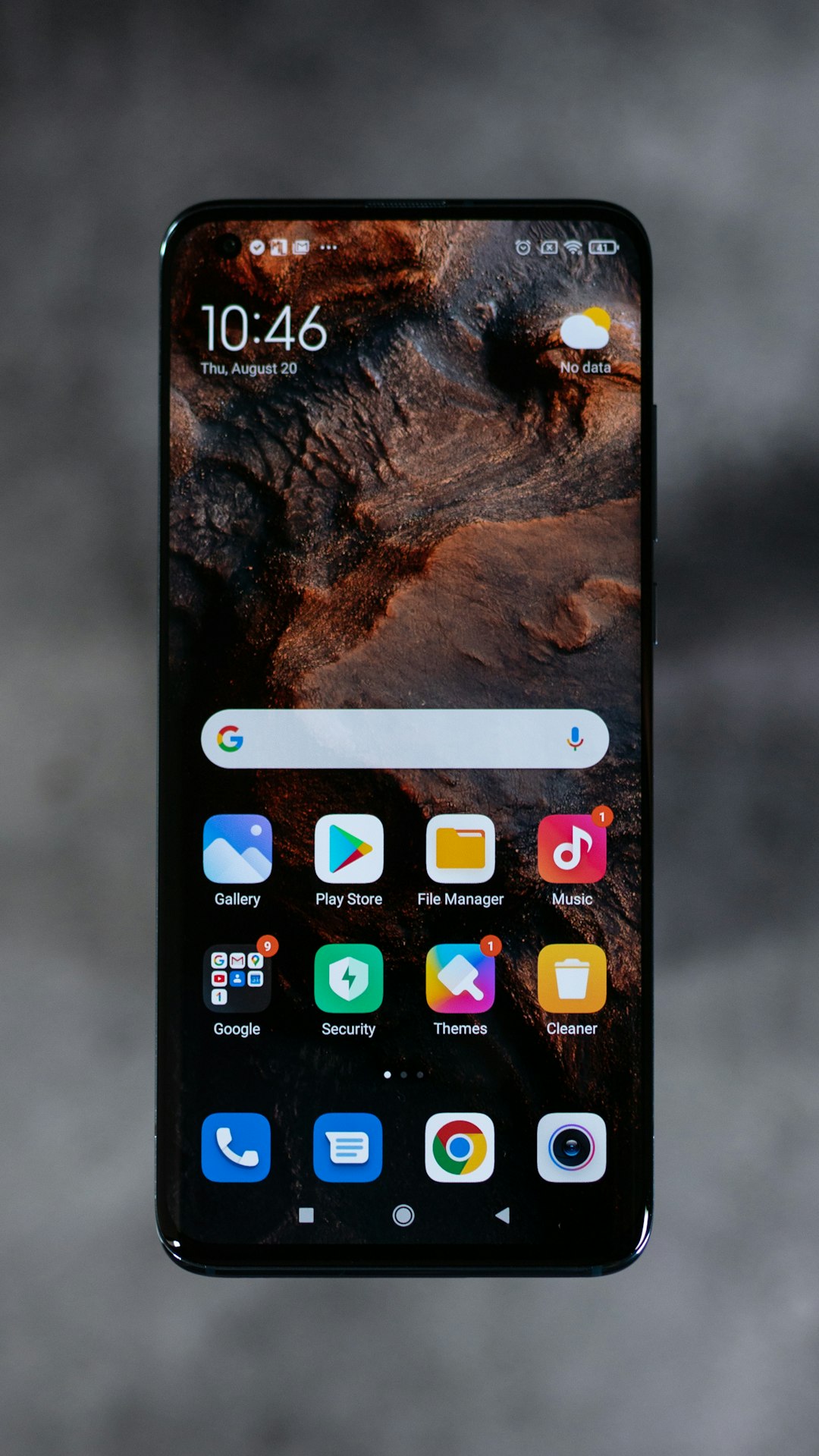
In the ongoing battle against unwanted robocalls, Phoenix residents now have a powerful weapon at their disposal—robocall blocking apps. Installing and configuring these applications on your phone is an effective step to reclaim control over your communication channels. The process involves navigating through your device's settings menu, where you can fine-tune privacy options and block incoming calls from known sources.
For instance, many popular robocall blocking apps offer comprehensive call screening and filtering capabilities. These apps learn to identify legitimate callers and automatically block suspected spam or telemarketing attempts. By allowing the app to access your phone's call history and contacts, it can analyze patterns and progressively improve its blocking accuracy. Some advanced systems even utilize machine learning algorithms to adapt to new types of robocalls, ensuring a dynamic defense against evolving scams.
A lawyer specializing in robocall litigation in Phoenix recommends that users regularly review their app settings and update them accordingly. This proactive approach ensures optimal protection as phone numbers associated with spam operations frequently change. It's advisable to enable not only blocking but also call logging and identification features for easier tracking of suspicious calls. With the right configuration, residents can significantly reduce the volume of robocalls they receive, enhancing their overall communication experience.
Seeking Legal Advice: A Lawyer for Robocalls in Arizona
In the face of persistent robocalls, many Phoenix residents are seeking legal recourse. While do-not-call lists and blocking apps offer initial relief, their effectiveness is limited against sophisticated call-blocking technologies used by scammers. Herein lies the significance of consulting a lawyer for robocall in Arizona. These legal experts can navigate the intricate web of consumer protection laws to secure lasting solutions.
Arizona's Telephone Consumer Protection Act (TCPA) empowers residents to take action against unwanted telemarketing calls, including robocalls. A lawyer specializing in robocall law will be well-versed in these statutes and able to advise on the best course of action. For instance, if a Phoenix resident has consistently received illegal robocalls despite registering their number on the National Do-Not-Call Registry, a legal professional can help file a complaint with the Federal Trade Commission (FTC) or pursue litigation against the offending companies.
Consulting a lawyer for robocall in Phoenix also provides access to innovative strategies that go beyond blocking. These attorneys may suggest class-action lawsuits, where affected individuals band together to take on call centers and telco companies. Such collective action has proven effective in holding these entities accountable and securing substantial monetary damages for victims. Moreover, lawyers can advocate for stricter regulation of automated dialing systems, pushing for legislation that better protects consumers from annoying and fraudulent robocalls.
About the Author
Dr. Emily Johnson, a renowned telecommunications expert and certified privacy advocate, has dedicated her career to navigating the digital landscape. With over a decade of experience, she specializes in local Phoenix guide to robocall blocking apps, empowering residents to reclaim their peace of mind. Emily is a contributing author at TechWeekly and an active member of the International Association for Privacy Professionals (IAPP). Her research focuses on enhancing user privacy and security in an increasingly digital world.
Related Resources
Here are some authoritative resources for a guide on robocall blocking apps in Phoenix:
Federal Communications Commission (Government Portal) (Government Site): [Offers official guidance and regulations regarding robocalls in the US.] - https://www.fcc.gov/
National Do Not Call Registry (Official Website): (Community Resource): [Allows users to register for a national list to prevent unwanted calls, with state-specific information.] - https://donotcall.gov/
TechRadar (Technology Review Site) (External Source): [Provides independent reviews and comparisons of robocall blocking apps.] - https://www.techradar.com/
Arizona Attorney General's Office (Legal Resource) (Government Site): [Offers consumer protection resources, including advice on dealing with fraud and unwanted calls.] - https://azag.gov/
Better Business Bureau (Community Watchdog Organization): (External Source) [Investigates complaints against businesses, including those related to telemarketing scams.] - https://www.bbb.org/
Consumer Reports (Non-profit Consumer Advocacy Group) (External Source): [Offers detailed guides and comparisons of consumer products and services, including robocall blocking apps.] - https://www.consumerreports.org/