
Phoenix residents face a surge of robocalls, prompting legal action. Consumers have rights under TCFAP and TCPA to register on "Do Not Call" lists and file complaints. Specialized lawyers offer guidance, handle complaints, and inform clients about protections. Apps like Honcho and RoboKiller use AI and machine learning for call blocking. These tools aid legal professionals in telemarketing cases. Selecting an anti-robocall service requires advanced technologies, privacy, and user feedback. Engaging a lawyer for robocall laws in Phoenix helps reclaim privacy, understand rights, seek damages, and block calls effectively using apps like TrueCall and Hiya.
In today's digital age, robocalls have become a ubiquitous nuisance, with Phoenix residents facing an unprecedented surge in unwanted calls from automated systems. This invasive trend has prompted many to seek effective solutions, especially when these calls persist despite efforts to opt out. As the problem escalates, so does the need for robust tools to combat them. This article delves into the top-rated apps designed to block robocalls in Phoenix, providing a comprehensive guide for residents to reclaim their peace of mind. By exploring these cutting-edge technologies, we aim to empower individuals to protect themselves from unwanted intrusions, even offering insights on consulting a lawyer for robocall issues in Phoenix when necessary.
Understanding Robocalls and Legal Rights in Phoenix

Robocalls have become a pervasive and often irritating aspect of modern life, particularly in densely populated areas like Phoenix, Arizona. These automated phone calls, designed to reach a wide audience quickly, can range from marketing messages to fraudulent schemes. Understanding your rights regarding robocalls is crucial for any Phoenix resident. According to the Telemarketing and Consumer Fraud and Abuse Prevention Act (TCFAP), consumers have the right to register their phone numbers on "Do Not Call" lists, blocking many pre-recorded or automated calls. However, some robocalls may still slip through, especially from unknown or spoofed numbers.
In Phoenix, as in many places across the U.S., the rise of robocalls has led to increased demand for legal counsel specializing in this area. A lawyer for robocall laws in Phoenix can offer invaluable guidance on how to navigate these complex issues. They can assist in filing complaints with relevant authorities and help consumers understand their rights under state and federal regulations, such as the Telephone Consumer Protection Act (TCPA). Moreover, with the ever-evolving nature of telemarketing tactics, a legal expert can keep individuals informed about new protections and potential loopholes.
For instance, a recent study by the Federal Trade Commission (FTC) revealed that over 40 million robocalls were made daily in the U.S., with many targeting Arizona residents. This data underscores the need for proactive measures and legal recourse against unauthorized calls. Consumers who suspect illegal robocalling activities can file reports with the FTC or seek advice from a Phoenix-based lawyer specialized in consumer protection law, enabling them to take decisive action to stop these unwanted intrusions into their personal space.
Top Apps to Combat Annoying Automated Calls
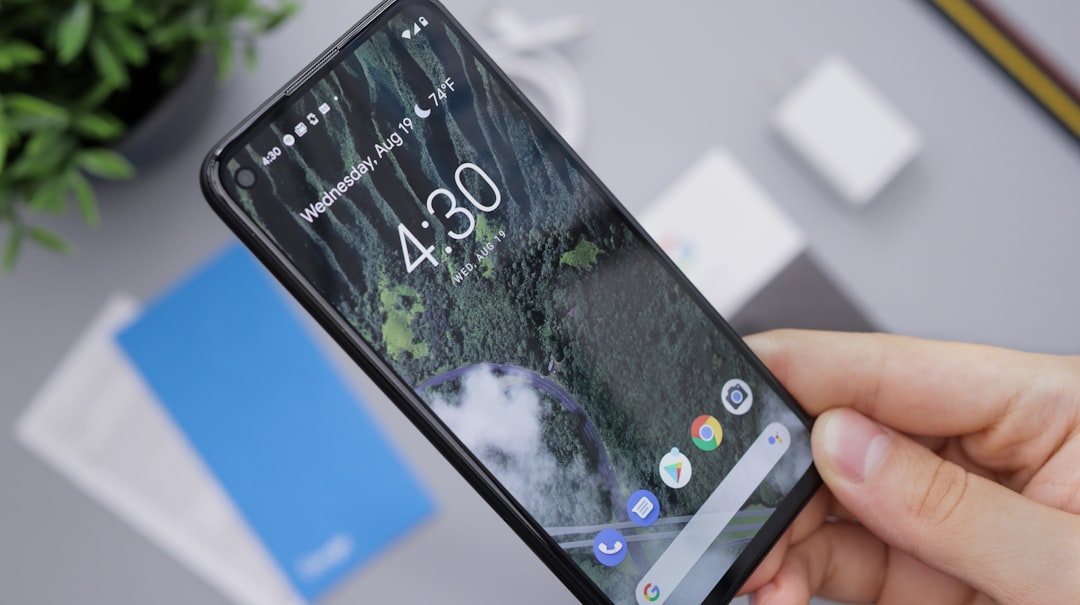
In the digital age, automated calls, or robocalls, have become a prevalent nuisance, with many Phoenix residents receiving unwanted phone marketing attempts daily. According to the Federal Trade Commission (FTC), millions of Americans are affected by these relentless calls each year. However, there is hope in the form of top-rated apps designed to block and combat robocalls effectively. These applications offer a comprehensive solution for individuals seeking relief from this modern-day irritant.
One of the leading apps in this category is Honcho, known for its advanced call blocking technology. The app utilizes machine learning algorithms to identify and stop spam calls before they reach your phone. It learns from user feedback, continuously updating its database of known robocallers. Additionally, Honcho allows users to block specific numbers or even whole categories of callers. For instance, it can filter out debt collectors, surveyors, or political campaigns, ensuring your peace of mind. Another popular choice is RoboKiller, which boasts an impressive success rate in blocking automated calls. This app offers a multi-layered defense, including voice verification and artificial intelligence to detect and stop robocalls accurately. Users appreciate its ability to quickly adapt to new call patterns and provide detailed blocking analytics.
While these apps offer powerful tools for individuals, they are also invaluable resources for businesses and legal professionals in Phoenix. A lawyer specializing in robocall litigation can leverage these applications to gather evidence during legal proceedings. By analyzing call logs and blocking patterns, attorneys can build strong cases against violators of telemarketing laws. Data from these apps can provide irrefutable proof of harassing calls, leading to more effective legal outcomes. With the constant evolution of robocall tactics, having access to cutting-edge blocking technology is essential for staying ahead in this ongoing battle.
How to Choose an Effective Anti-Robocall Service

Selecting an effective anti-robocall service is a crucial step in reclaiming your phone from unwanted automated calls. With countless options available, understanding key features becomes essential to ensuring success. Firstly, consider the service's call screening capabilities; advanced technologies employ AI and machine learning to identify and block robocalls accurately. For instance, some apps offer real-time analysis, allowing users to see the potential threat level of an incoming call.
Secondly, privacy and security are paramount. Reputable services invest in robust encryption to safeguard your data from hackers and unauthorized access. A lawyer for robocall issues in Phoenix can provide valuable insights into legal protections surrounding personal information. Additionally, opt for apps with comprehensive blocking lists that continuously update to combat emerging fraud patterns. Manual customization options enable users to block specific numbers or types of calls, enhancing personalization.
Third-party reviews and user feedback are invaluable resources when choosing an anti-robocall service. Look for consistent positive feedback regarding call filtering effectiveness and minimal false positives. Some apps even offer trial periods, allowing you to test their performance risk-free. Regularly updating your app and enabling automatic updates ensure you benefit from the latest features and security patches. By combining advanced technology, robust privacy measures, and user feedback, you can select a reliable anti-robocall service tailored to your needs.
Consulting a Lawyer for Robust Legal Protection

In the face of persistent robocalls, many Phoenix residents are seeking robust legal protection to reclaim their privacy. Consulting a lawyer for robocall laws in Phoenix has emerged as a strategic move for those fed up with unwanted calls. The Telephone Consumer Protection Act (TCPA) offers substantial remedies against violators, but navigating these legal waters can be complex. An experienced lawyer can provide invaluable guidance on how to file complaints, seek damages, and implement long-lasting solutions.
For instance, a recent study by the Federal Trade Commission (FTC) revealed that robocalls account for nearly 50% of all phone calls in the U.S., with many being illegal marketing calls. This surge has prompted Phoenix residents to take proactive measures. Engaging a lawyer specializing in TCPA cases enables individuals to understand their rights and hold perpetrators accountable. Through strategic legal action, victims can secure permanent injunctions against call centers, enforce substantial fines on violators, and recover significant monetary damages for each violation.
Moreover, a lawyer for robocall laws in Phoenix can assist clients in developing comprehensive call-blocking strategies. This may involve setting up specialized apps or systems that filter out robocalls at the network level. By combining technological solutions with legal expertise, residents can create a robust defense against unwanted calls. Regular consultations with a legal professional ensure staying updated on evolving regulations and adapting blocking measures accordingly. Such proactive steps not only protect personal privacy but also contribute to a quieter, more peaceful communication environment.
Step-by-Step Guide: Blocking Robocalls Effectively
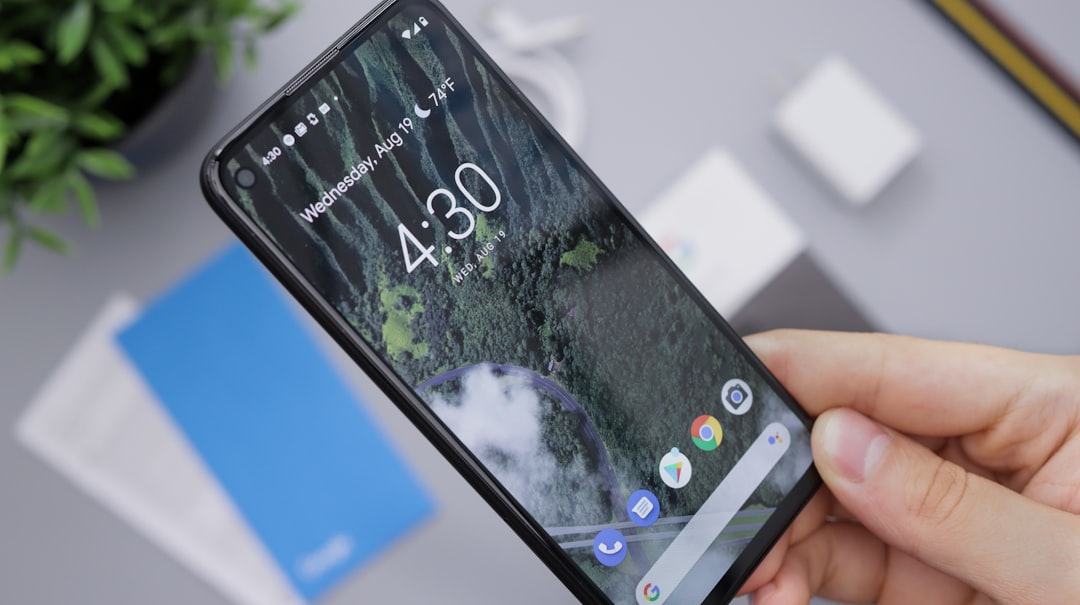
Blocking robocalls effectively is a crucial step to reclaiming your phone from unwanted interruptions. Start by downloading a top-rated app designed for this purpose, such as TrueCall or Hiya, available on both iOS and Android platforms. These apps use advanced machine learning algorithms to identify and block not just known robocallers but also new and emerging patterns.
Once installed, these apps offer straightforward interfaces. Allow the app access to your call history and contacts. The software will then learn from this data to better differentiate between legitimate calls and spam. For instance, TrueCall employs a crowd-sourced intelligence network, leveraging data from millions of users worldwide to enhance its blocking capabilities. Regularly update the app to benefit from the latest robocall patterns and definitions.
If, despite your best efforts, you continue to receive nuisance calls, consider consulting with a lawyer specializing in robocalls in Phoenix. Legal action can be taken against violators under the Telephone Consumer Protection Act (TCPA). A legal expert can help navigate these complex regulations and potentially seek damages for your distress. Remember to document all unwanted calls, including dates, times, and call details, as this evidence can prove invaluable during legal proceedings.